 Kiln
Kiln
Every BrickStarts as Earth.
From the quarry to your wall — tell us your project and we'll find the brick that belongs there.
From clay seam to
finished course.
Six stages. No shortcuts. The same sequence every batch, in every season.
Clay Extraction
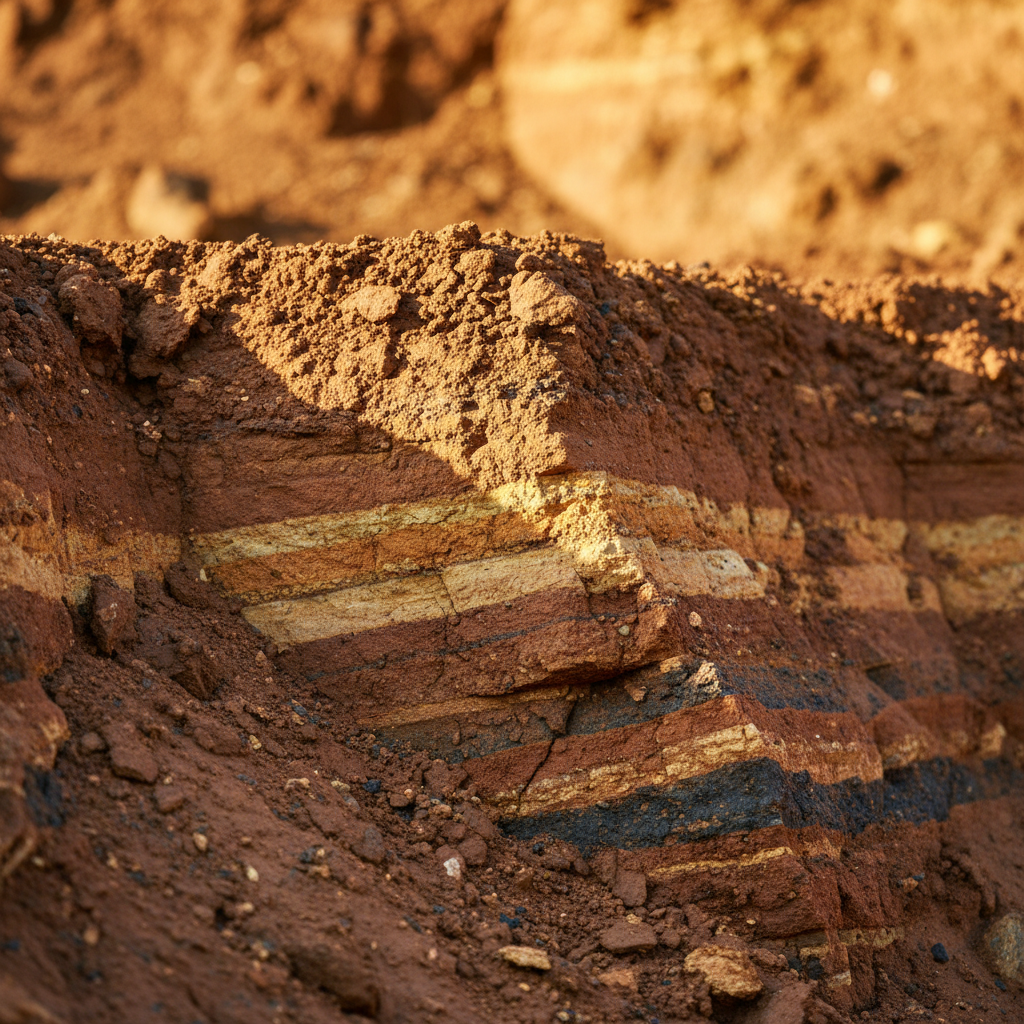
We pull clay from the same seam of Jurassic mudstone that local builders have worked for three centuries. The quarry face changes colour with the seasons — blue-grey in winter rain, ochre in August heat. We dig only what the week demands.
Clay plasticity index: 18–24 · Extraction depth: 2–4 metres · No additives

Pugmilling & Blending
The raw clay is fed through a pug mill twice — once to break up stones and roots, once to achieve an even, workable consistency. We blend in a proportion of grog from crushed fired seconds; it opens the body, reduces shrinkage, and gives the finished brick its characteristic speckled texture.
Shrinkage at drying: 4–6% · Grog content: 15–20% · Moisture target: 22%

Hand Pressing
Each brick is pressed by hand into a sanded wooden mould — the same motion, repeated eight hundred times a day. The excess is struck off with a wire bow. The slight variations in pressure and the way the clay falls into corners are what give our bricks the face texture that no machine can replicate.
Green brick weight: ~3.2 kg · Mould dimensions: 215 × 102.5 × 65 mm · Pressed one at a time
Drying
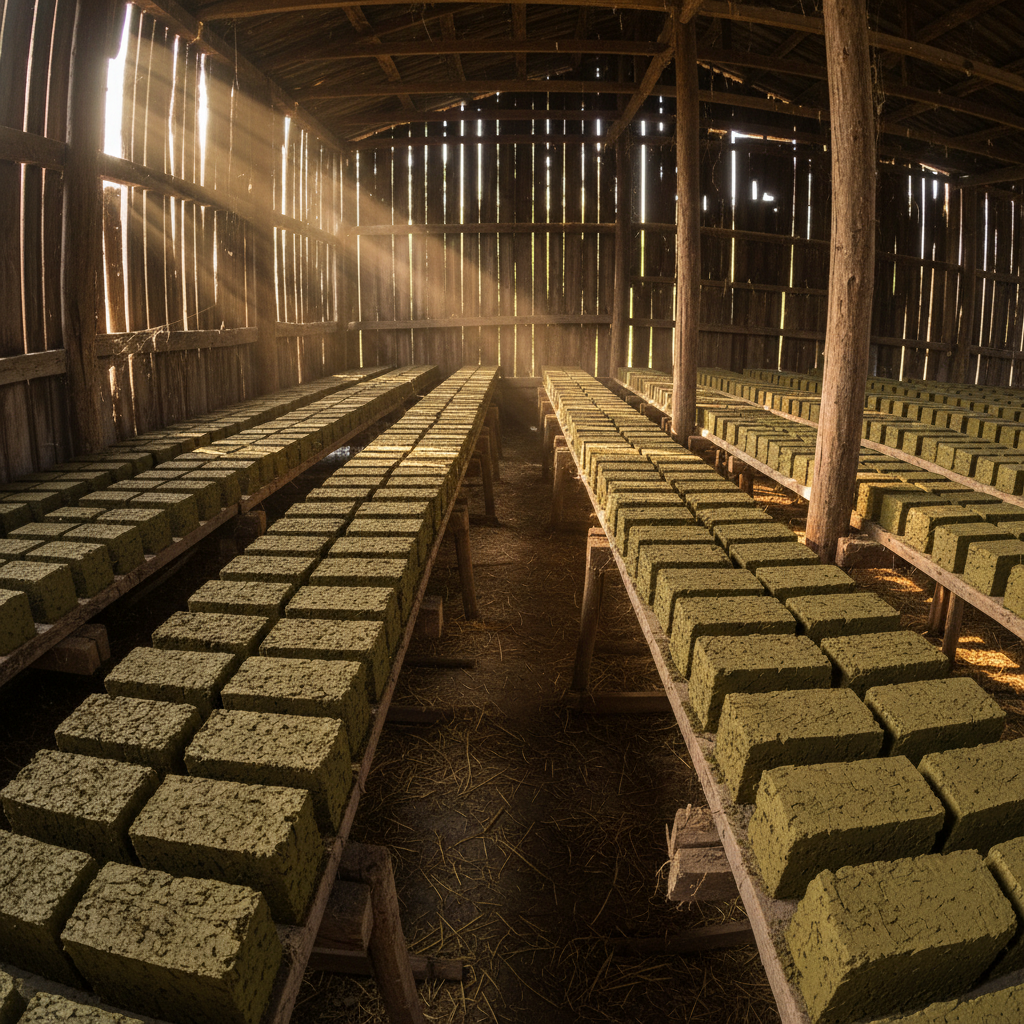
Green bricks rest on slatted timber racks in the open drying shed for two weeks. Air moves through the gaps; temperature and humidity are left to the season. This slow drying is not inefficiency — it is what prevents the cracking that fast-dried bricks carry invisibly into the wall.
Drying period: 10–14 days · Target moisture before kiln: <3% · Reject rate at this stage: ~2%
Kiln Firing
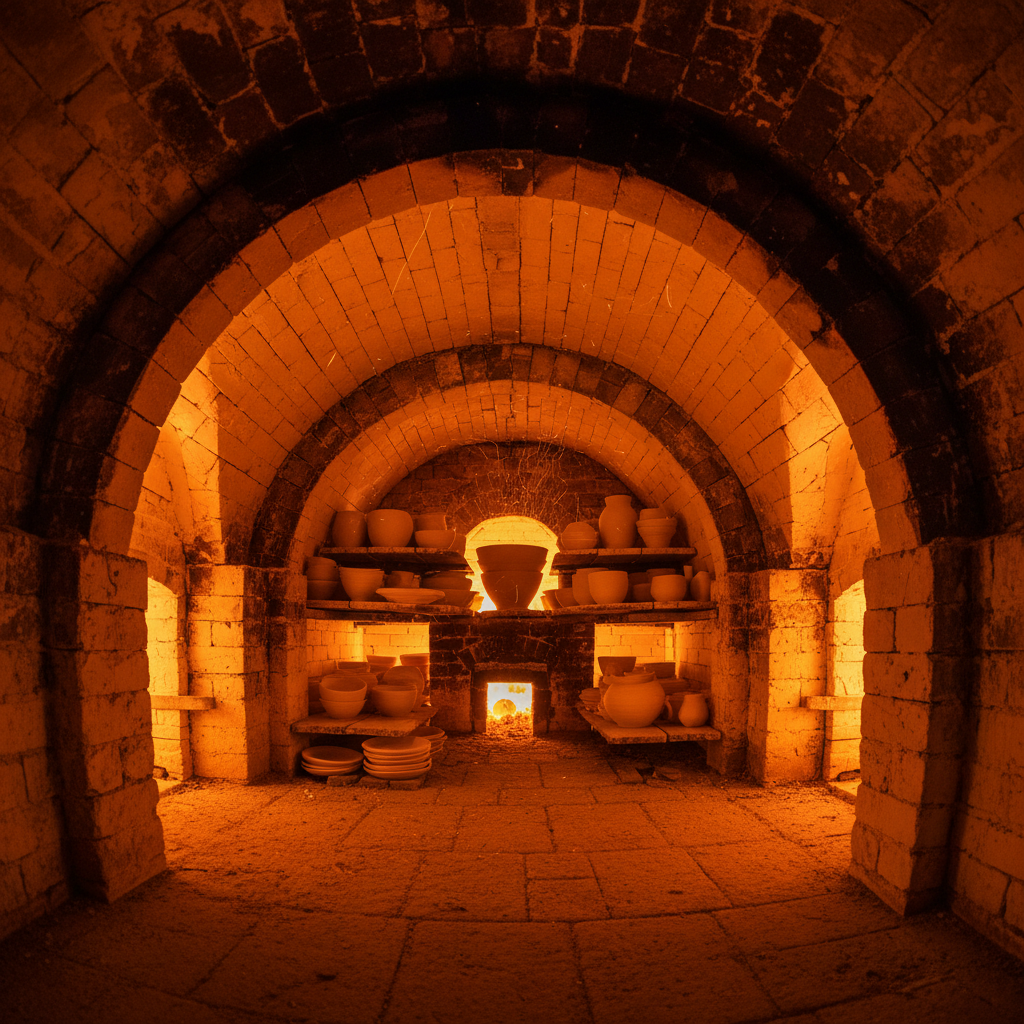
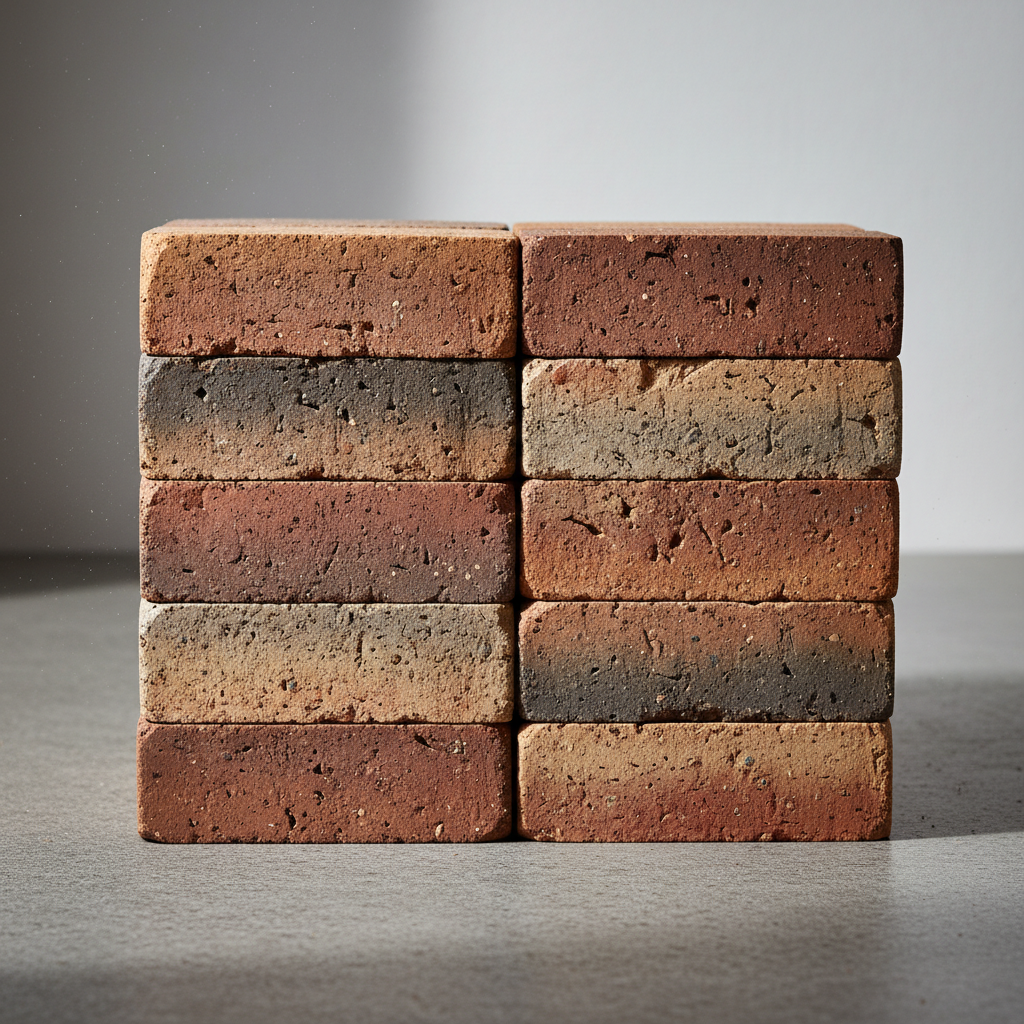
We use a down-draught kiln fired with natural gas over a 36-hour cycle. Temperature climbs slowly to 1,180°C, holds for eight hours, then falls over twelve. The colour variation you see in a finished course — the darker hearts, the iron flashing, the occasional blue-grey vitrification — all comes from this one firing.
Peak temperature: 1,180°C · Total cycle: 36 hours · Colour variation: inherent, not a defect
Grading & Despatch
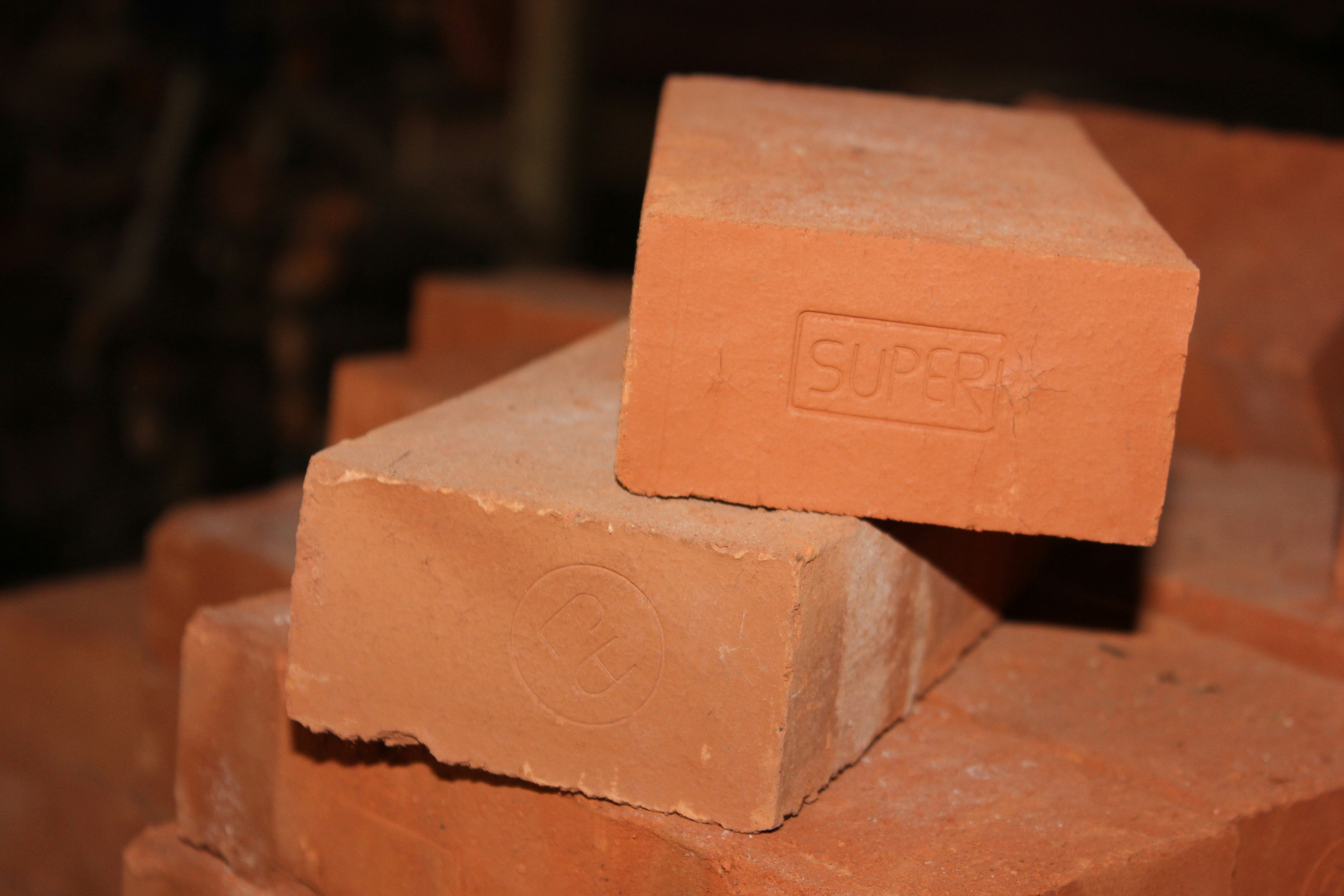
Every brick is hand-sorted after cooling. Firsts go to conservation and façade work. Seconds — slightly uneven arises, minor lime spots — go to walling and landscaping at a reduced price. Nothing is wasted. We load pallets ourselves and deliver on our own truck within a 60-mile radius.
Compressive strength: ≥20 N/mm² · Water absorption: 8–14% · Frost resistance: F2 class
The journey was
worth following.
Every photograph shows a real project. Every brick in it came from this yard.
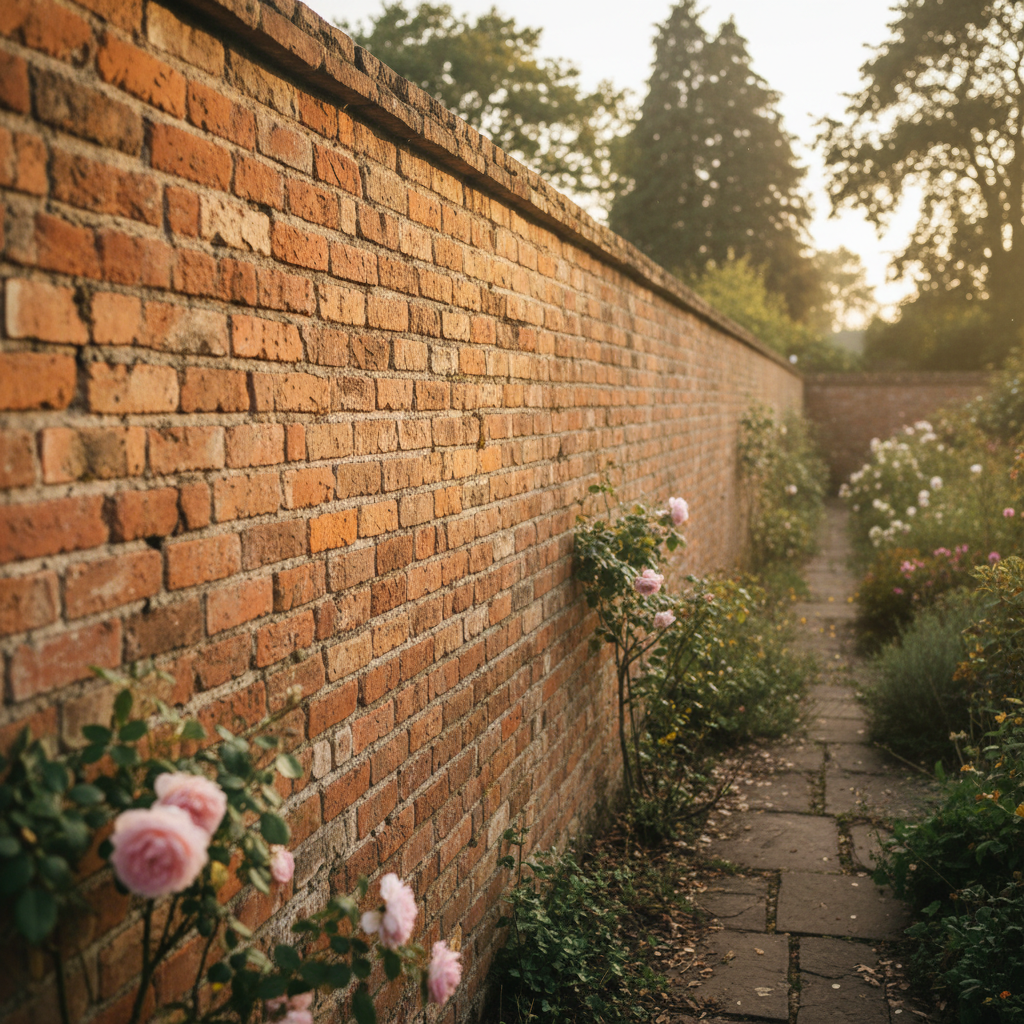
Garden boundary wall
Oxfordshire
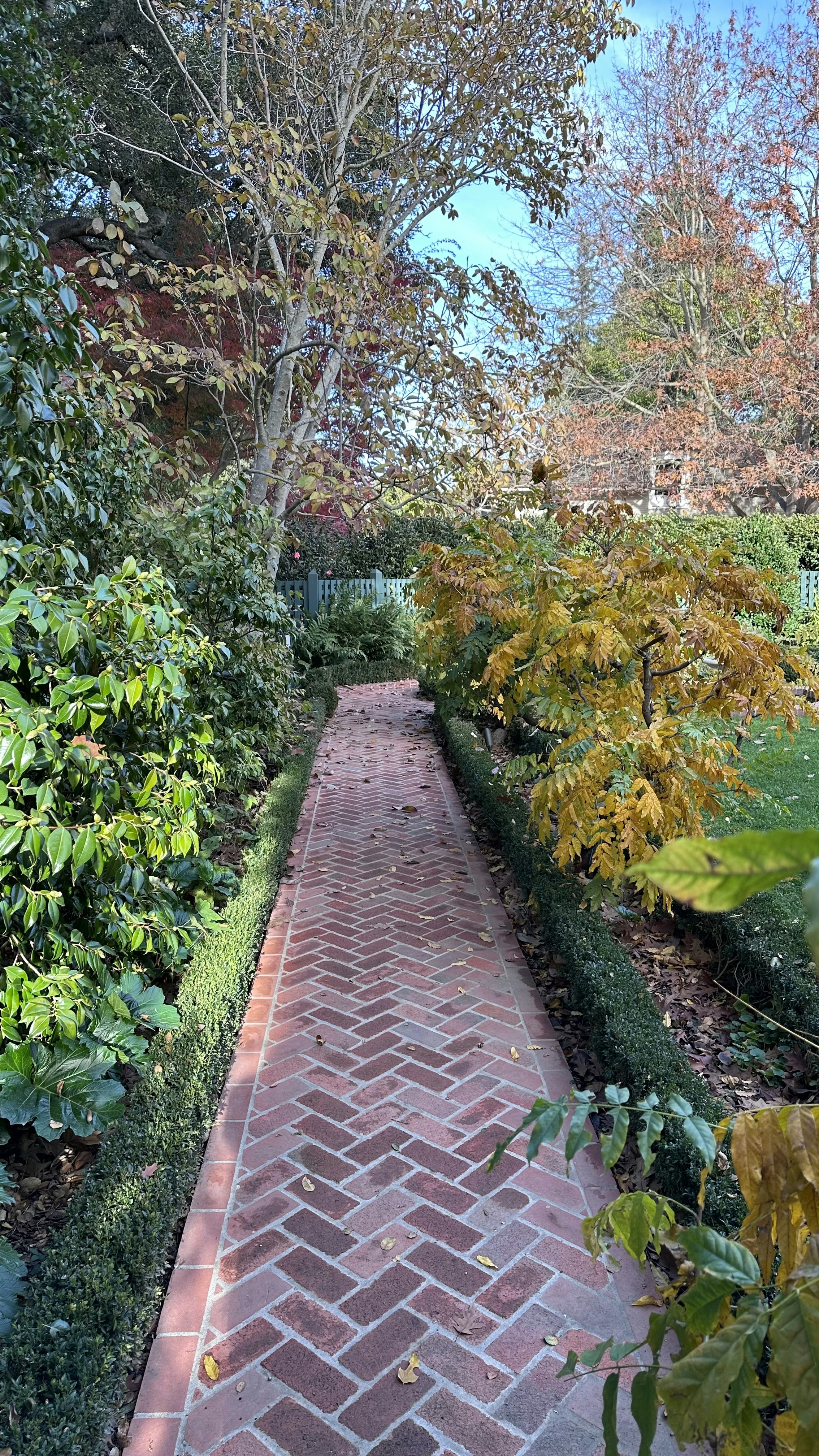
Herringbone path
Somerset
Farmhouse extension
Gloucestershire
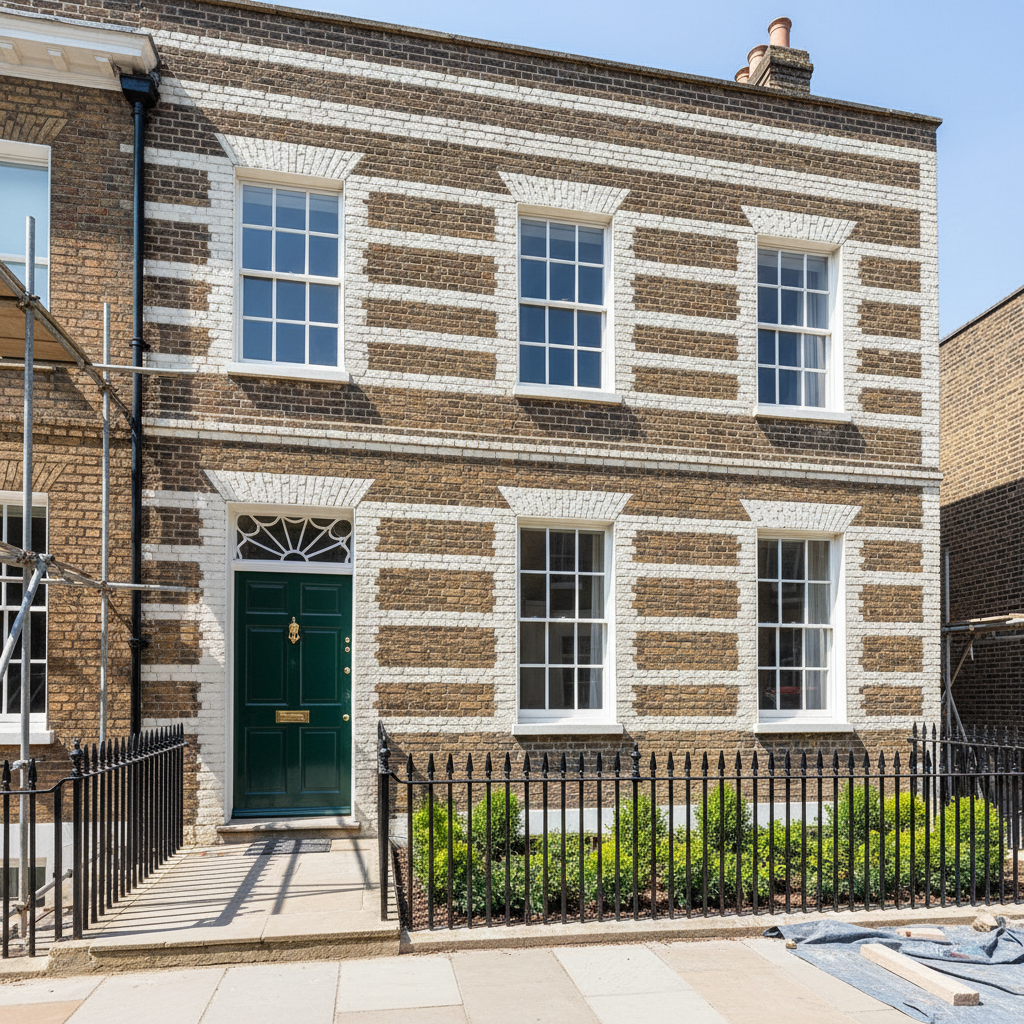
Conservation façade
Wiltshire
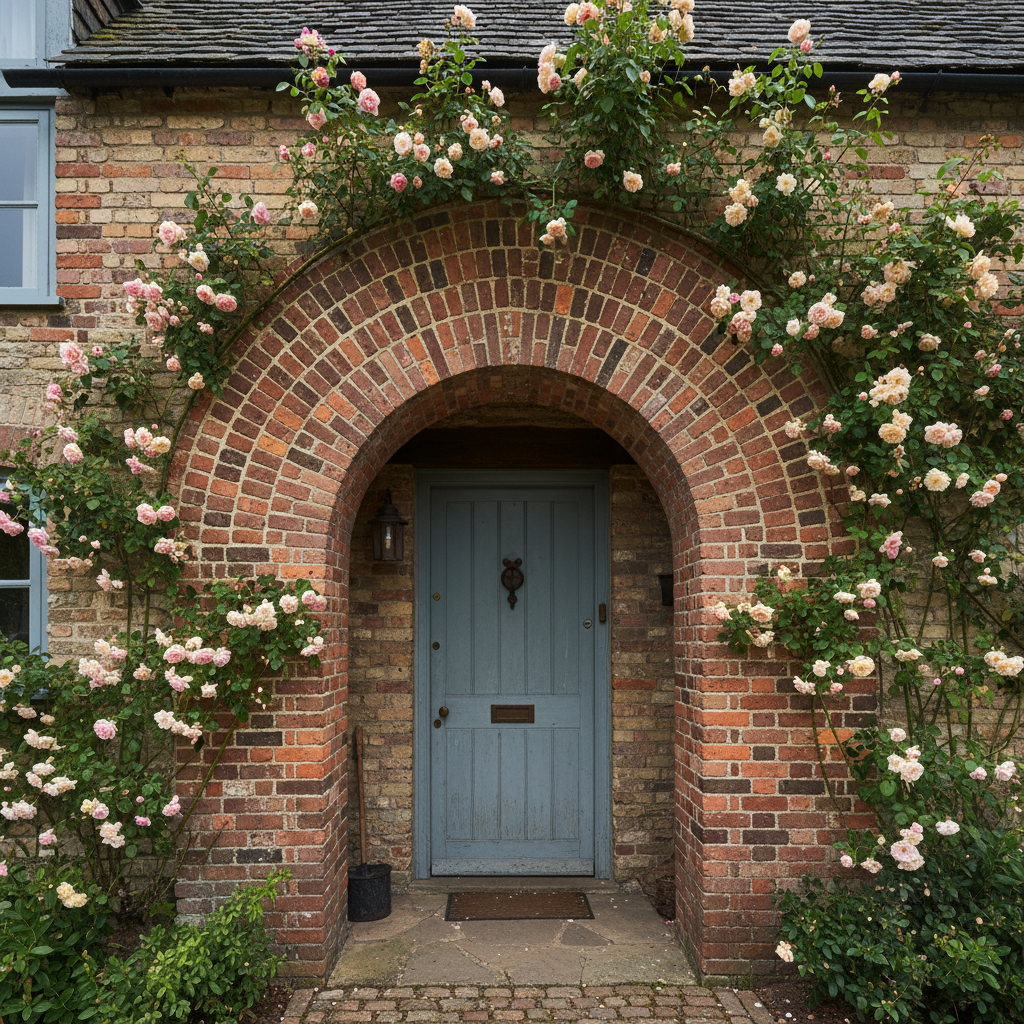
Village hall restoration
Dorset
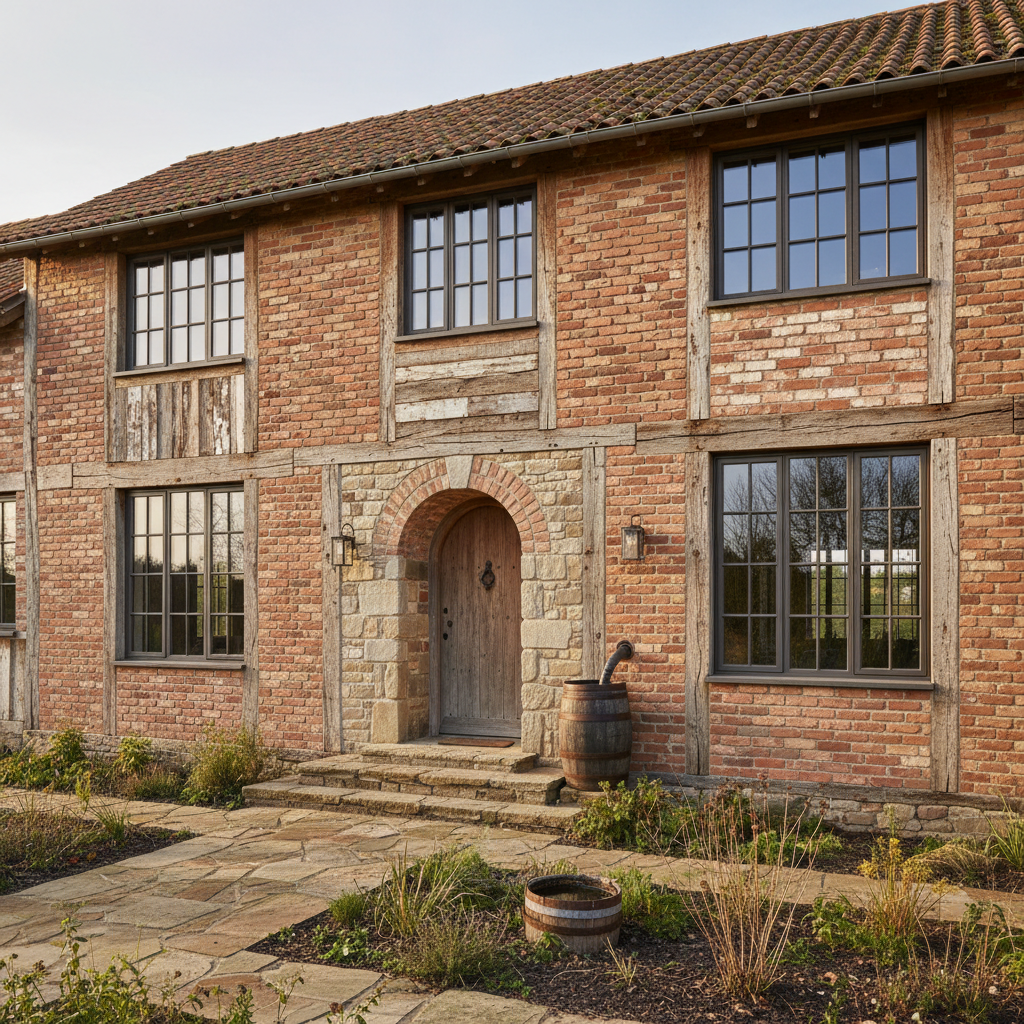
Self-build home
Herefordshire
Find Your Brick
Four questions. The same ones we'd ask if you walked into the yard.
Tell us about your project and we'll suggest three bricks from the yard — the ones we'd point you toward if you were standing here with us.
The brick earns
its place over time.
“We matched a Georgian farmhouse wall that had stood for 230 years. Kiln sent samples, we held them against the original in morning and afternoon light, and the Georgian Blend was indistinguishable at three metres. That's the standard conservation work demands.”

Eleanor Ashworth
Conservation Architect, RIBA
Cirencester
“I'd been looking for herringbone path bricks for eight months. Everything online was either machine-made or the wrong colour. The Tumbled Antique was exactly what the garden needed — like the path had been there since the house was built.”

Tom Gallagher
Self-build homeowner
Malvern
“I specify Kiln on every project where the client wants a brick that looks like it was made nearby, because it was. The colour variation is an honest product of the process, not a marketing decision. Contractors appreciate the consistency of the seconds grade for walling.”

Priya Menon
Landscape Architect
Oxford
RIBA CPD Provider
Registered
Historic England
Approved supplier
BS EN 771-1
Certified
60-mile
Own-truck delivery
The yard is open.
The bricks are waiting.
Walk through the quiz, request samples, or call the yard directly. We're a small operation and we answer the phone.